
Turmeric is a spice that adds warm, slightly bitter, earthy flavor to food. Curry powder, mustard blends, and many yellow rice dishes get their color from it.
Turmeric is one of the most common spices in kitchens across India, Southeast Asia, the Middle East, and many other parts of the world.
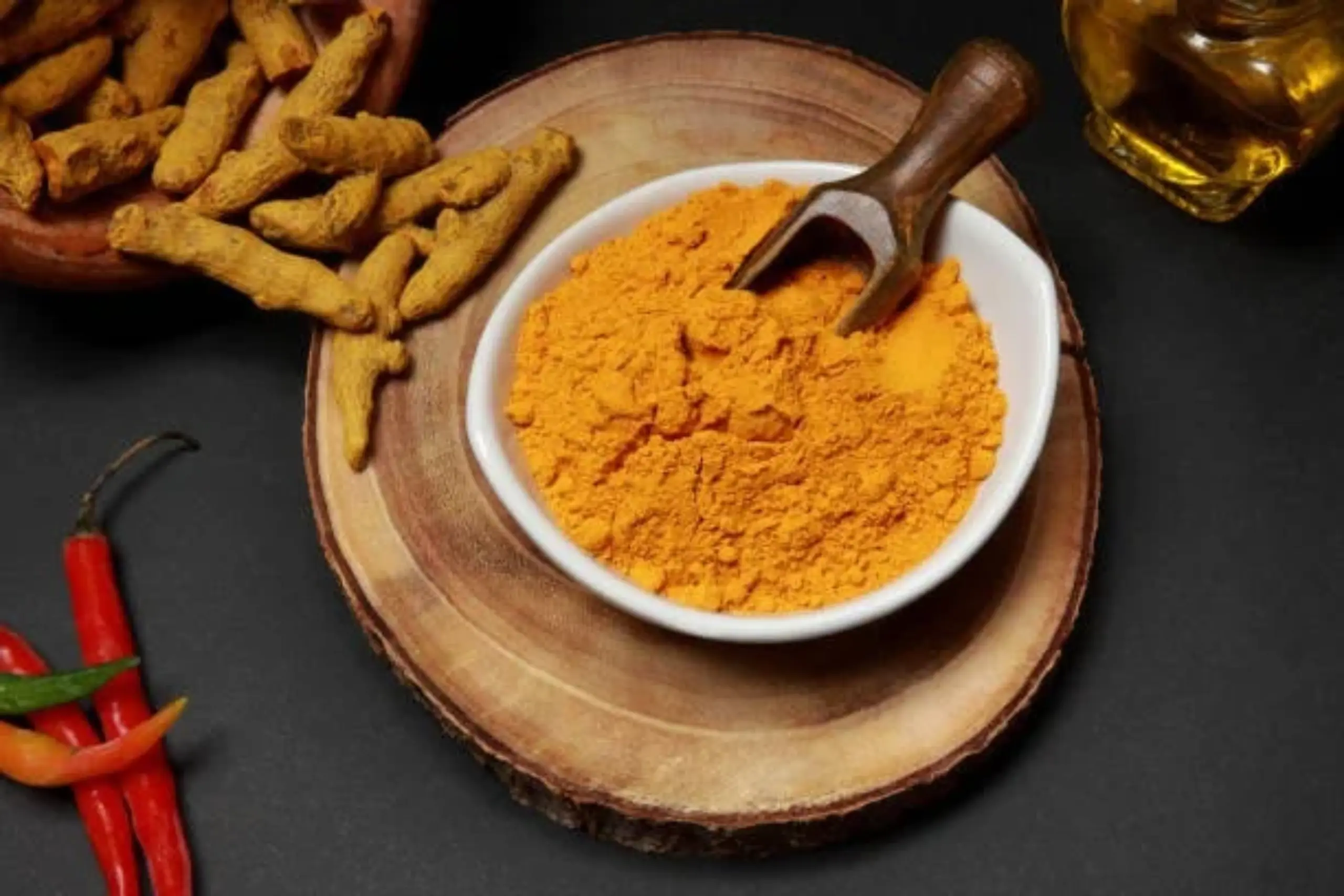
The pieces in the photo are whole turmeric rhizomes. A rhizome is an underground stem that grows horizontally and sends out finger-like branches. The plant is called Curcuma longa, and it belongs to the ginger family, Zingiberaceae.
The fingers in the picture have a rough, brownish outer skin and a bright yellow inside, which is typical of dried turmeric. Most dried turmeric is boiled before drying, which sets the color and reduces the chance of spoilage.
A Short History
Turmeric has been grown in South Asia for thousands of years. It appears in ancient Indian texts and was used in Ayurvedic practice, where it was applied to food, skin, and wounds.
It later spread along trade routes to China, the Middle East, and Africa. In many cultures it was valued as a dye as much as a spice. Today India produces most of the world’s turmeric, and the country is also its largest consumer.
What Is This Ingredient?
The bright yellow-orange pieces in the photo are whole turmeric rhizomes, the underground stems of the plant Curcuma longa. The finger-shaped pieces with rough, brownish skin are typical of dried turmeric, which is how most of it is sold.
The plant belongs to the ginger family, and the bright color comes from a compound called curcumin. Turmeric has been used in Indian and Southeast Asian cooking and traditional medicine for thousands of years.
What Turmeric Contains
Turmeric is made up of several groups of compounds
Essential oils:
These give turmeric its warm, earthy aroma. Some of them are being studied for their effects in laboratories.
Curcuminoids
These are the yellow pigments, and curcumin is the best studied of them. Curcumin usually makes up a few percent of the spice by weight.
Carbohydrates and fiber
Turmeric is a plant root, so it has a fair amount of fiber and starch.
Minerals
Turmeric contains small amounts of iron, potassium, and magnesium.
Because curcumin is the star of most research, it is the compound people hear about most. It is also the compound that causes the most confusion, as you will see later in this guide.
Common Types People Use
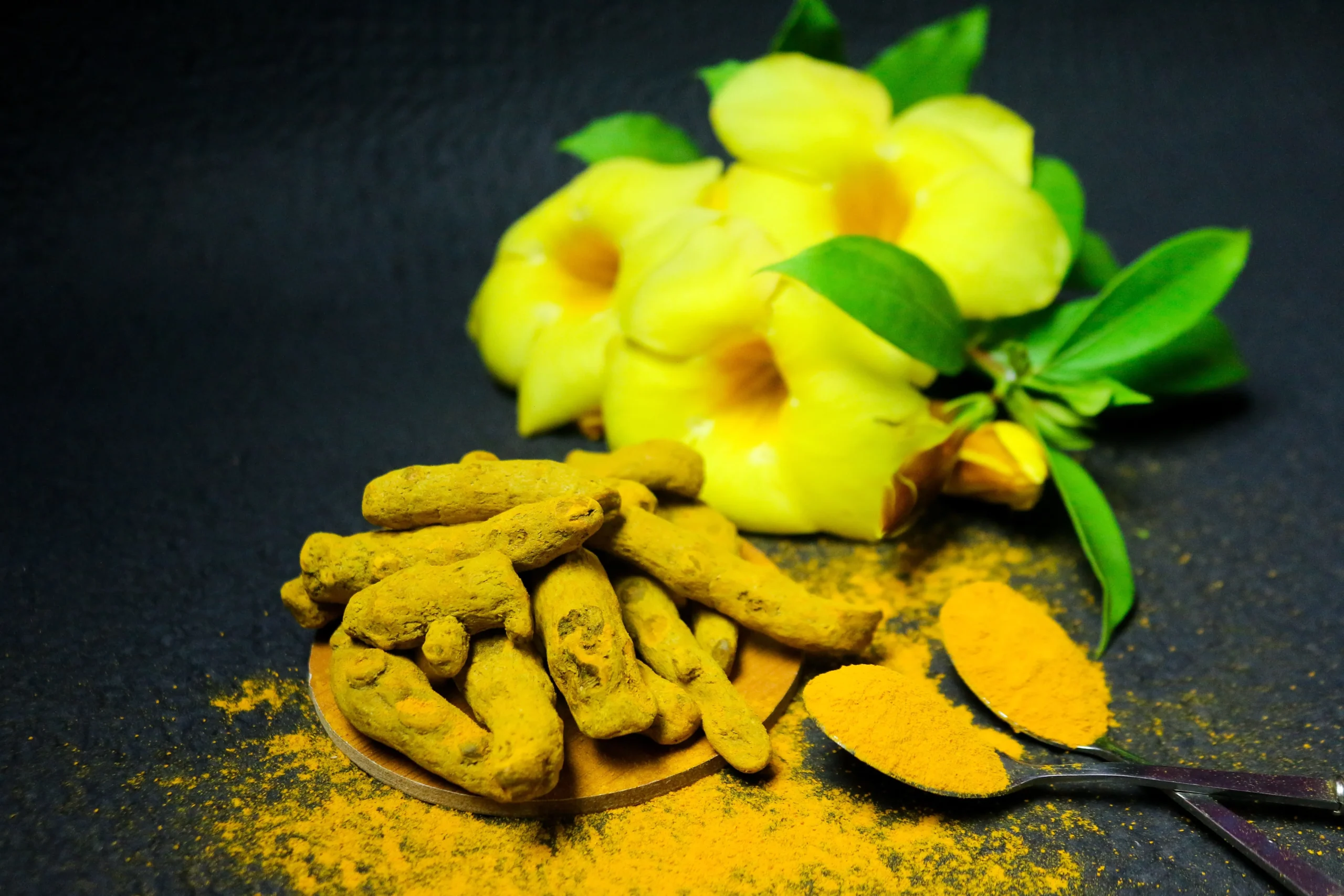
Most people in homes and kitchens use ground turmeric powder, which is made by boiling, drying, and grinding the rhizomes.
You can also buy whole dried fingers and grind them yourself, or use fresh turmeric root, which looks like a small orange ginger root. Fresh root is popular in Thailand, Indonesia, and parts of India.
In India, several regional varieties are well known, including Erode, Salem, Alleppey, and Lakadong.
Lakadong from Meghalaya is often prized for its high curcumin content. From a photo alone, I can’t tell which exact variety this is, so a seller or label would be the best way to confirm.
The Benefits People Look For
People add turmeric to their daily routine for many reasons, and the research gives a mixed picture.
Many people drink golden milk or add a pinch of turmeric to their meals because they want a natural boost. Turmeric is rich in plant compounds, and some of them are being studied for their effects on the body.
The research so far is promising, but it is not conclusive. The U.S. National Center for Complementary and Integrative Health (NCCIH) says that studies suggest turmeric or curcumin might help with some measures of fatty liver disease and knee osteoarthritis pain.
However, it also says there is not enough high-quality evidence yet to be sure about these or other health uses.
A meta-analysis of seven studies with 649 patients found that turmeric and curcumin lowered LDL (“bad”) cholesterol and triglycerides, but did not raise HDL (“good”) cholesterol.
A simple way to think about turmeric is this: it is a flavorful spice with some interesting research behind it, and it fits well into a balanced diet. It is not a replacement for medical care.
Nutritional Value
According to the USDA FoodData Central database, 100 grams of ground turmeric contains about:
- Calories: 312
- Protein: 9.68 grams
- Fat: 3.25 grams
- Carbohydrates: 67.1 grams
- Dietary fiber: 22.7 grams
- Sugars: 3.21 grams
Most people do not eat 100 grams at once. One teaspoon, which weighs about 3 grams, has only around 9 calories.
It also provides a small amount of iron, about 1.7 milligrams, along with some potassium and magnesium. The real value of turmeric in a normal diet comes from its flavor and plant compounds, not from its vitamins or minerals.
Ways to Use Turmeric
There are Certain Ways to Use the Turmeric in our Daily Life. The Following ways are Mentioned Below
Cooking
Add it to dals, soups, vegetables, eggs, rice, and marinades. Cooking it in a little oil helps bring out its flavor.
Golden Milk
Warm a cup of milk, plant milk, or water with half a teaspoon of turmeric, a pinch of black pepper, and a little honey or cinnamon.
Smoothies
A small pinch blends well with mango, banana, or carrot.
Skin and hair
Some people mix turmeric powder with yogurt or honey for a face mask. Do a patch test first, since it can stain and irritate sensitive skin.
How to Choose and Store Good Turmeric
Quality matters when buying turmeric. Look for powder that is bright yellow-orange and smells warm and earthy. Dull, grayish, or very cheap powder may be old or adulterated.
Buying from a trusted brand, checking for a clear ingredient list, and choosing packaging that protects from light and moisture all help.
Store powder in an airtight glass or steel container, away from heat, sunlight, and humid areas. Ground turmeric loses aroma after about six months, and it is best used within a year.
Whole dried fingers keep longer. Fresh root should be kept in the refrigerator or freezer, and it is best used within a few weeks.
Who Should Be Careful
Turmeric is considered safe for most people in normal food amounts, but some groups should take extra care:
- People with gallstones, bile duct obstruction, or other biliary problems should avoid high doses, because turmeric may worsen these conditions.
- People with liver disease should speak to a doctor before taking supplements.
- People with acid reflux or gastroesophageal reflux disease may find that turmeric makes symptoms worse.
- People taking blood thinners, diabetes medicines, or drugs that are processed by liver enzymes should check with a doctor, because turmeric may interact with them.
- People who are pregnant or breastfeeding should be careful with supplements and talk to a healthcare provider.
Common side effects of high doses include headache, rash, nausea, diarrhea, and yellow stool. If any of these appear, reduce the amount or stop and speak to a doctor.
Common Myths and the Reality
Myth 1: Turmeric cures diseases such as cancer.
The reality is that no reliable human study shows that turmeric cures any disease. Lab and animal studies are interesting, but they do not prove the same results in people. Turmeric should never replace treatment prescribed by a doctor.
Myth 2: The body absorbs turmeric easily.
Curcumin is poorly absorbed when taken alone, and it breaks down quickly in the body. NCCIH notes that combining curcumin with piperine, the compound in black pepper, is one way to improve absorption. This is why many traditional recipes include both.
Myth 3: Turmeric supplements are always safer than food.
Conventionally formulated turmeric or curcumin is likely safe in recommended amounts for up to two or three months. However, NCCIH warns that liver damage has been reported in some people who took highly absorbable curcumin products. Stronger does not always mean safer, and more is not always better.
Myth 4: Turmeric is safe in any amount during pregnancy.
Eating turmeric as a spice is generally fine. High-dose supplements, however, may be unsafe during pregnancy, and large amounts may stimulate the uterus.
Pregnant women should talk to their doctor before taking supplements, and there is not enough information to be sure about its safety during breastfeeding.
Myth 5: Turmeric is a proven treatment for high cholesterol.
Some studies show that turmeric may lower LDL cholesterol and triglycerides, but the evidence is still limited. It should not replace medicines or lifestyle changes recommended by a doctor.